A named issuer
A department, agency, court, airline or provincial authority must be attributable in full.
TOP DESK · CANADA
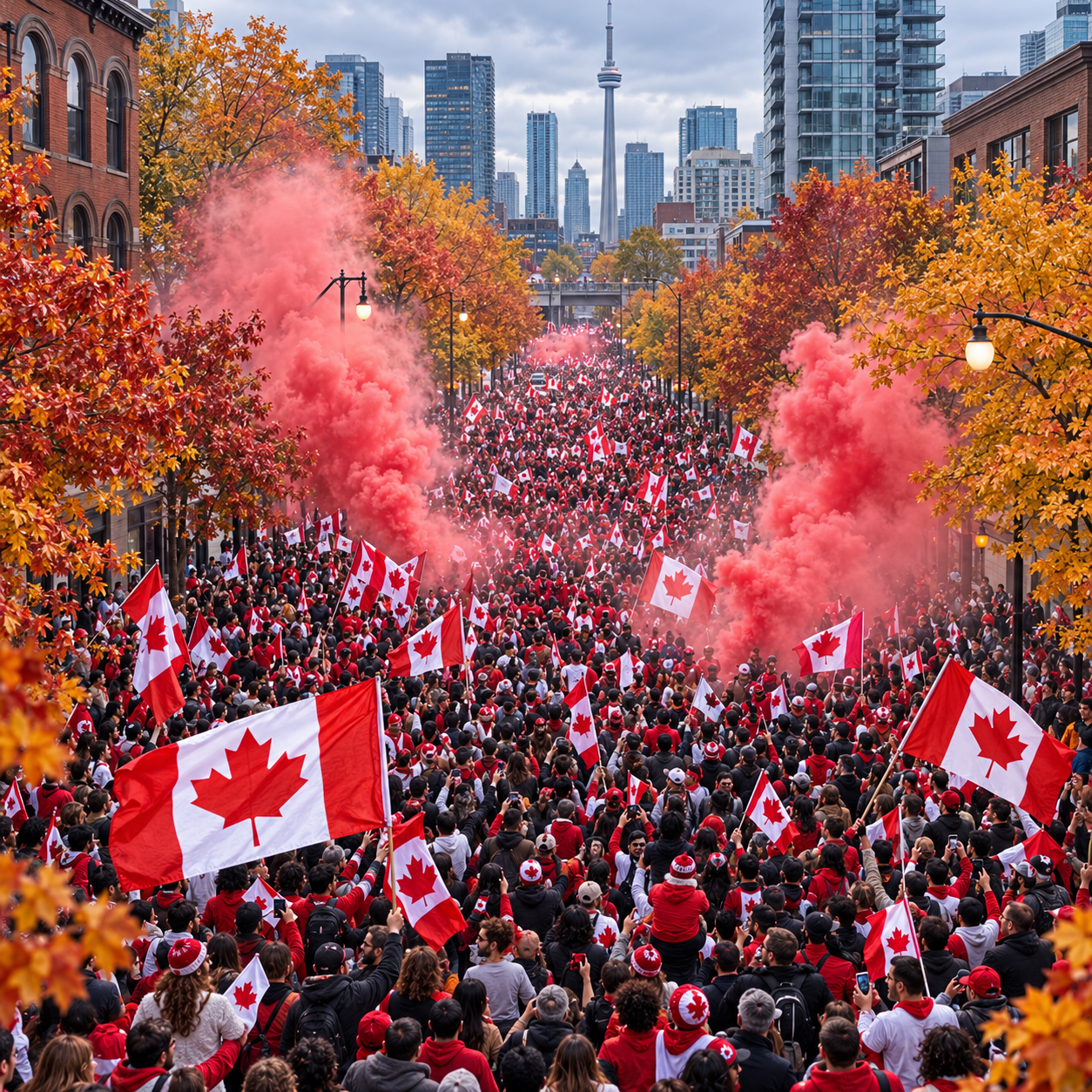
The line “The sad day for every Canadian” is moving through feeds beside passport and crowd images. Our first task is not to amplify the emotion. It is to identify the document behind the claim.
Enter the source room →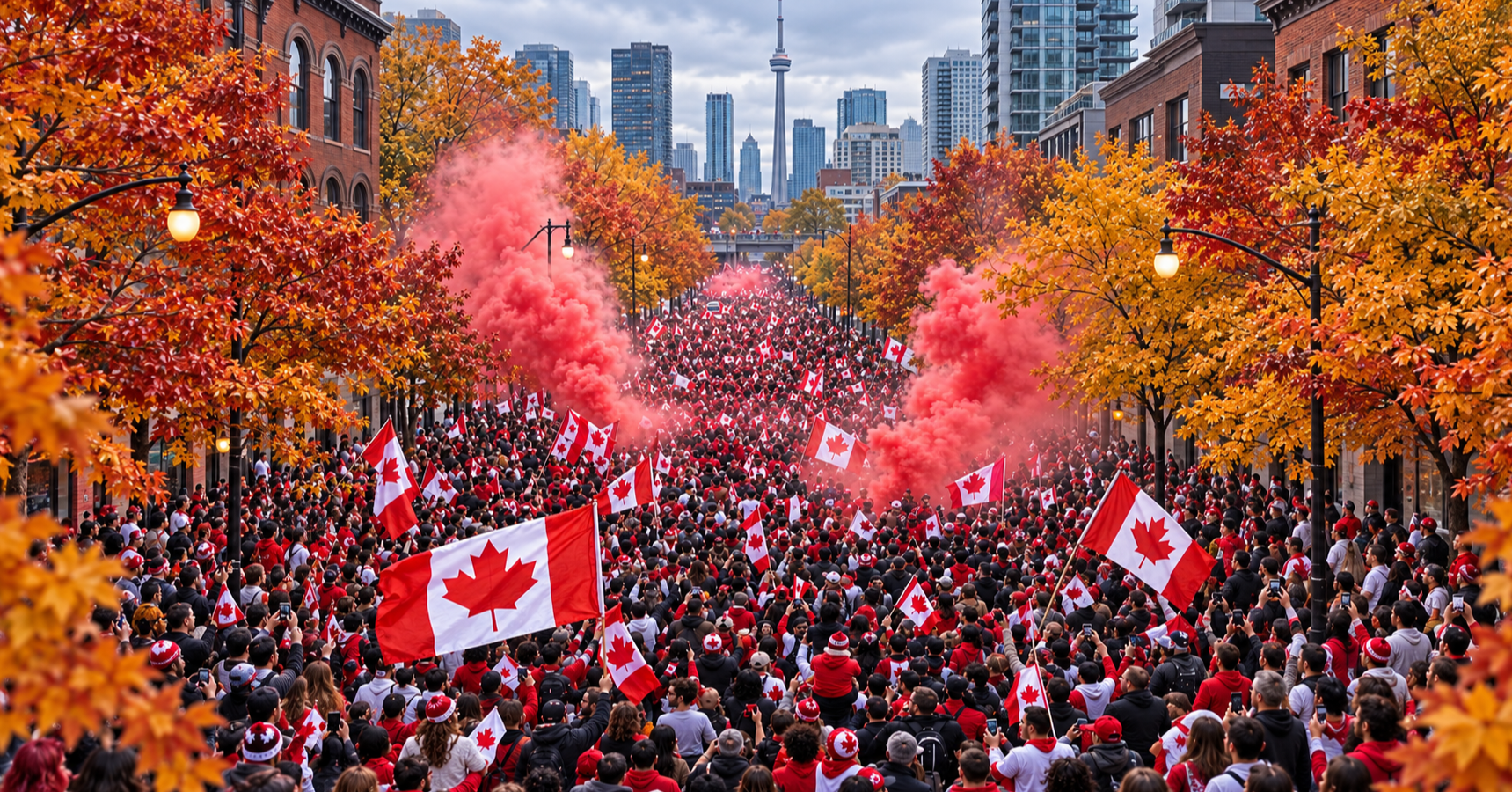
EDITOR’S DESK
A department, agency, court, airline or provincial authority must be attributable in full.
A page title, notice number or archived release gives readers something they can independently inspect.
Who is affected, from which date, under what conditions, and what action is actually required?
ANATOMY OF A RUMOUR
A precise-looking timestamp creates urgency while answering none of the important questions. It can be accurate about the age of a post and completely silent about the age or truth of the underlying information.
REGIONAL DESK
FederalImmigration, passports and national entry rules require an identifiable federal source.
ProvincialPrograms and services may differ by province; a broad caption can erase those boundaries.
CarrierAirlines may communicate document checks without creating government policy.
WEEKEND READ
A report connects a claim to evidence. A reaction describes how someone feels. A rumour travels before its source can be identified. The same post can contain all three, but a newsroom should label them separately.
Do not change an application, cancel a trip or pay an intermediary because of an unattributed emotional caption.
ABOUT THIS PUBLICATION
A fast-moving national news desk that shows readers how to distinguish a headline, an official announcement and an unsupported social-media claim.
CANADA DESK
TRAVEL DOCUMENTS · EXPLAINER
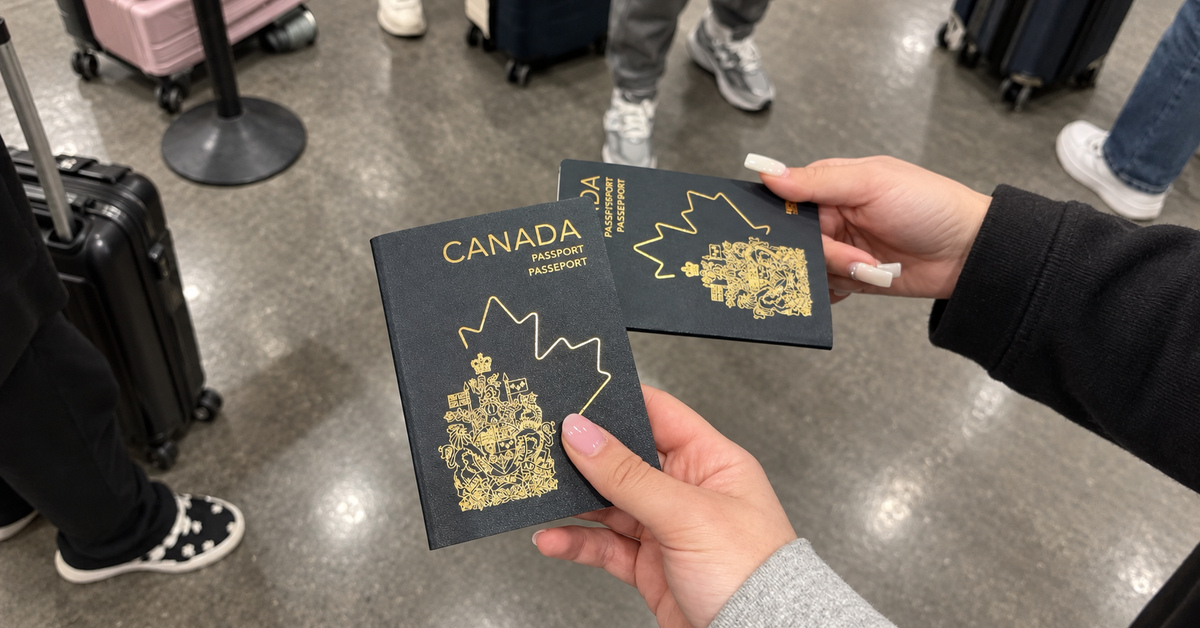
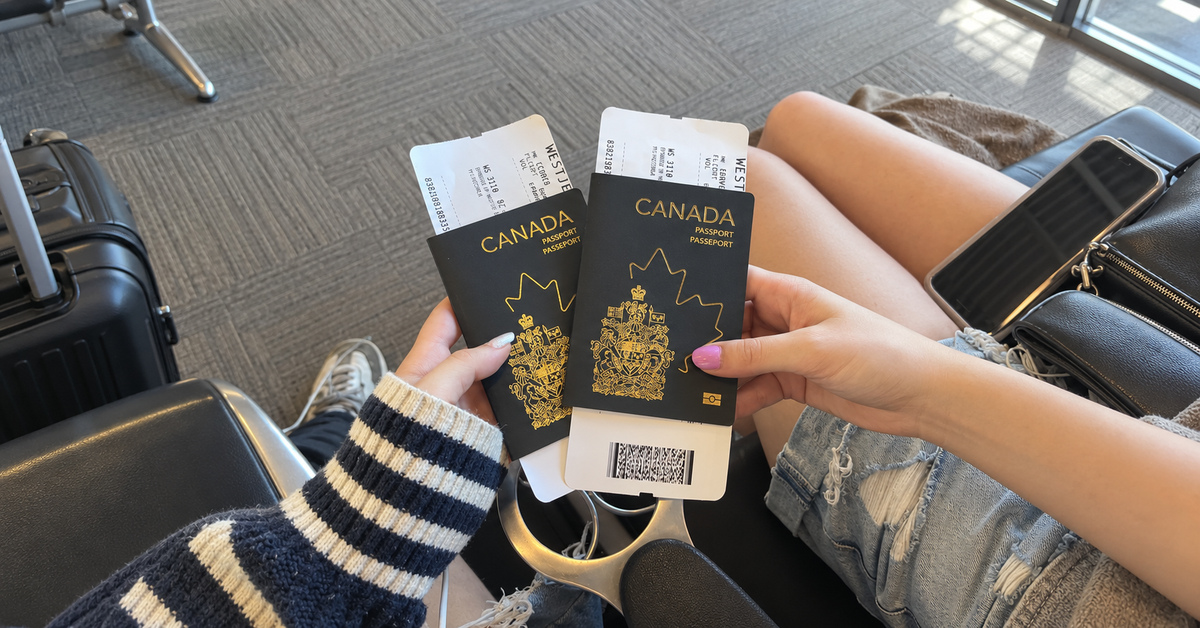
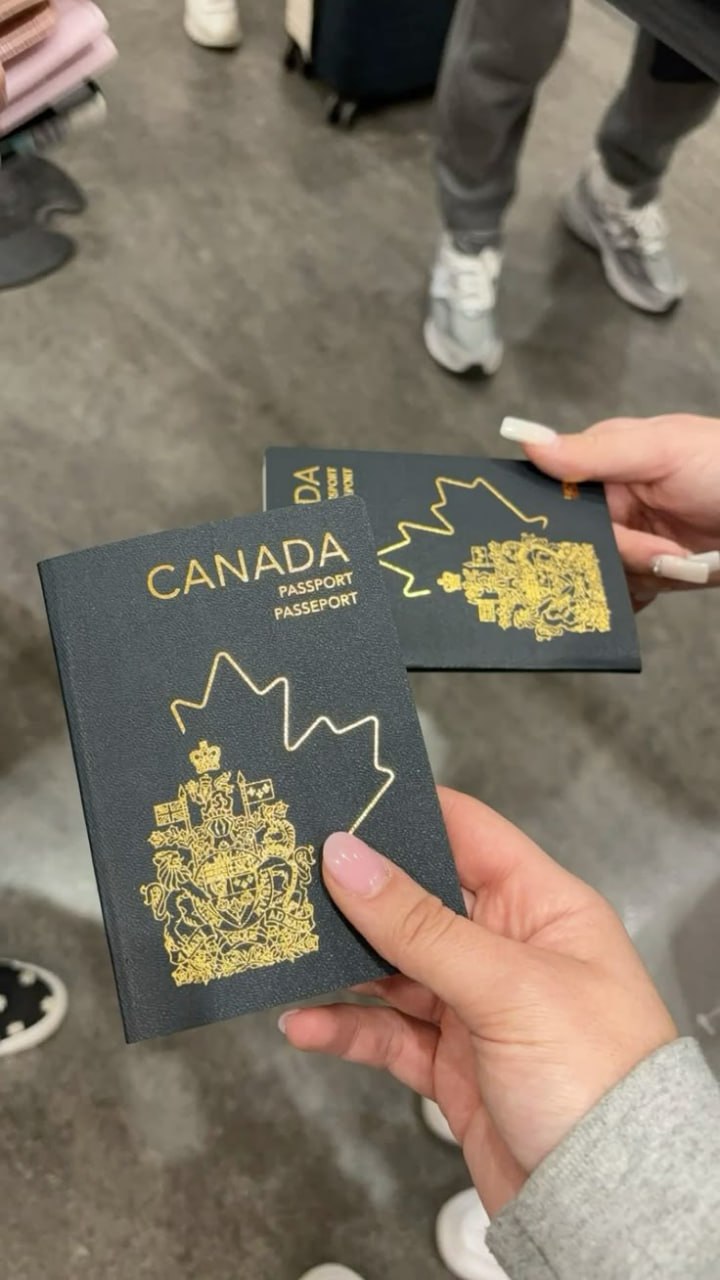
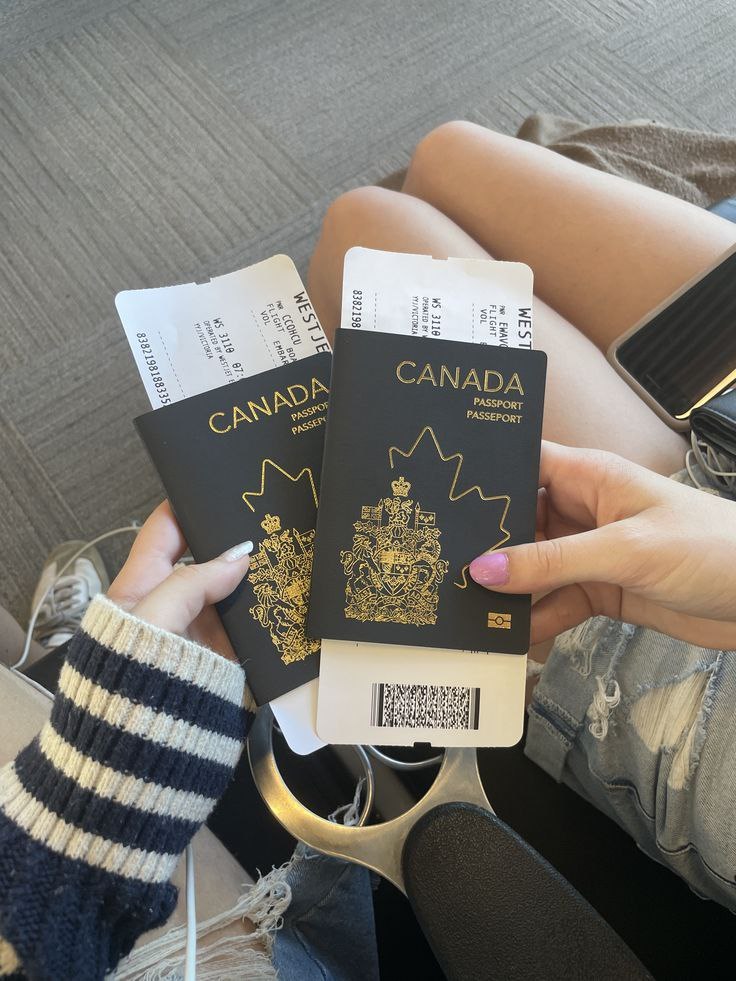
Visual evidence can identify objects and settings. It cannot establish an unseen policy notice.
Read the explainerOpen article →NEWSROOM PRACTICE
Readers should not have to hunt for the record behind a consequential claim.
Open article →CANADA
Broad wording should trigger a stricter scope check.
Open article →VISUAL NEWS DESK · COMPLETE SET
Every supplied image appears in this edition. Captions describe only what is visible and do not turn an illustration into evidence.
READER TOOLS
A short source worksheet and plain-language answers from Canada Nowroom.
No. It establishes a travel theme, not the existence or scope of a policy.
Find the original publisher, document title, publication date and effective date.
Confirm the claim through the responsible authority or carrier before acting or paying anyone.